Reviewing Its Flat Bro Earth Day T-Shirt for Stitching
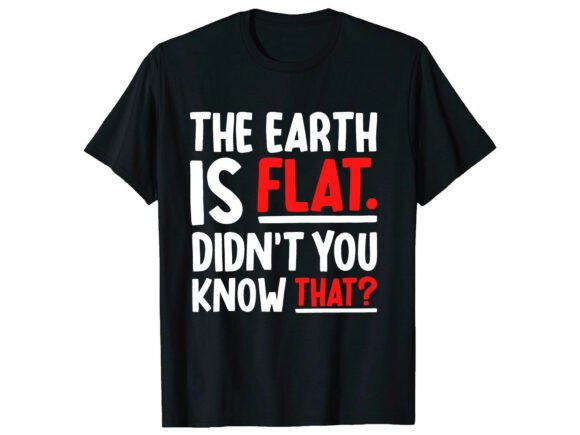
As a designer who spends more time staring at stitch maps than finished garments, I have learned that not every graphic translates well to thread. When I first pulled up Its Flat Bro Earth Day T-Shirt, my initial reaction was one of cautious optimism. The concept is timely, tapping into the growing demand for sustainability-focused apparel, but the execution determines whether it becomes a bestseller or a pile of unpicked stitches. This review breaks down how this design performs in real-world embroidery scenarios, moving beyond the digital preview to the tactile reality of needle and thread.
First Impressions: Mood and Visual Personality
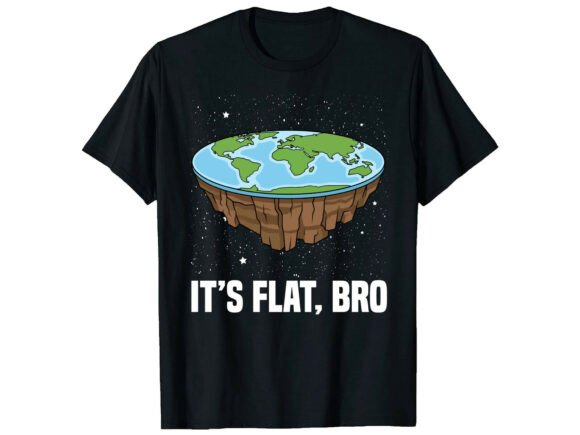
The visual personality of Its Flat Bro Earth Day T-Shirt is distinct. It balances humor with a serious environmental message, creating a mood that is approachable rather than preachy. For embroidery designers, this balance is crucial. Heavy-handed slogans often feel stiff when stitched, but this design’s layout suggests a casual, modern aesthetic. The shapes appear bold enough to hold their integrity under tension, which is a primary concern when converting T-Shirt Designs into physical products. The theme resonates with eco-conscious individuals, making it a strong candidate for brands that prioritize ethical messaging. However, the devil is always in the details, specifically how those details translate from pixel to polygon.
Real-World Application: From Digital File to Finished Product
To truly evaluate a machine embroidery design, you must imagine it on various substrates. I mentally placed this design on a canvas tote bag, a popular item for Earth Day promotions. The broad elements of the design would likely pop against the textured weave of cotton canvas, providing excellent contrast. Here, the tote bag design potential is high because the fabric’s stability supports heavier stitch counts without puckering.
Consider also sweatshirt embroidery. A fleece or French terry background adds loft, which can obscure fine details. If Its Flat Bro Earth Day T-Shirt relies on intricate lines, they might get lost in the nap of the fabric. However, if the design utilizes solid fills and bold outlines, it will stand out beautifully on a hoodie or crewneck, adding perceived value to the garment. For custom apparel shops, this versatility is key. You want a design that looks intentional, not like an afterthought slapped onto a blank.
For smaller items, such as a personalized gift like a baby onesie or a kitchen towel, scale becomes the critical factor. Baby embroidery requires softer touches and fewer dense areas to maintain comfort. If this design includes large, solid blocks of color, it might feel stiff on delicate infant skin. In such cases, considering an applique design version could be a smart workaround, reducing stitch density while maintaining the visual impact of the graphic.
Technical Considerations for Embroiderers
When preparing to digitize or use an existing embroidery file, technical scrutiny is non-negotiable. One of the first things I check is stitch density. High-density areas can cause fabric distortion, especially on stretchy materials like jersey knits used in t-shirts. If Its Flat Bro Earth Day T-Shirt features heavy saturation, using a cutaway stabilizer is essential to prevent the design from warping after washing. Conversely, if the design is too sparse, it may look cheap or fail to cover the fabric adequately, revealing the base material through the threads.
Thread color selection plays a massive role in the final outcome. Earth Day themes typically call for greens, blues, and browns. However, relying solely on traditional palettes can make the design blend in too much. I recommend testing high-contrast thread colors to ensure the message remains legible. A satins stitch border around key elements can help define edges, while a fill stitch interior provides substance. Be wary of tiny lettering; if the text in the design is small, it may require a running stitch outline to remain readable, as fill stitches can blur small characters.
Hoop size is another practical constraint. Ensure the design fits comfortably within your standard hoops without requiring excessive re-hooping, which increases the risk of misalignment. For curved surfaces like caps, the design’s curvature must match the panel’s shape. If Its Flat Bro Earth Day T-Shirt is flat and rectangular, it may distort when applied to a structured cap front. Always check the aspect ratio and adjust accordingly.
Navigating Fabric Challenges
Not all fabrics behave the same. On dark fabrics, light-colored threads can sink in, losing vibrancy. Underlay stitches become critical here to lift the top threads. On thin or lightweight fabrics, such as silk or rayon blends, the weight of the embroidery can cause pulling. In these instances, testing on scrap fabric is not just advice; it is a requirement. I always run a test stitch-out on the exact material I plan to use for the final finished product. This reveals issues with tension, thread breaks, or fabric bunching before committing to a client’s garment.
Textured fabrics present their own challenges. A rough linen or a waffle-knit towel can interrupt the smooth flow of satin columns. If the design relies on precise geometric lines, these textures may make the stitching appear jagged. In such cases, simplifying the design or increasing the stitch width can help mask the fabric’s irregularities.
Commercial Viability and Brand Consistency
For Etsy sellers and small shop owners, the commercial appeal of a design is paramount. Its Flat Bro Earth Day T-Shirt has the potential to drive engagement because it speaks to a specific cultural moment. However, professionalism dictates consistency. If your brand focuses on minimalist aesthetics, ensure this design aligns with your existing portfolio. A cluttered or overly complex embroidery can detract from the perceived quality of a handmade product.
Customer trust is built on quality. A well-executed embroidery project signals attention to detail. If the design is clean, with no loose threads or uneven tension, it enhances brand recognition. Buyers are more likely to share photos of high-quality items, providing organic marketing for your craft business. Use printable mockup tools to visualize the design on various products before listing them. This helps manage customer expectations and reduces return rates due to size or placement surprises.
Practical Designer Notes
- Test Before You Sell: Always stitch out a sample on the intended fabric. Check for puckering, thread breaks, and color accuracy.
- Check Licensing: Confirm whether the digital embroidery file allows for commercial use. Some designers restrict the number of physical items you can sell.
- Contrast is Key: Ensure there is sufficient contrast between the thread and the fabric. Low-contrast combinations can render the design invisible from a distance.
- Stabilizer Selection: Match the stabilizer to the fabric. Use tear-away for stable woven fabrics and cut-away for knits and stretchy materials.
- Detail Inspection: Zoom in on the design file. Look for overlapping stitches or unnecessary jumps that could increase production time and thread waste.
- Mockup Variety: Create mockups on both light and dark backgrounds to see how the design adapts. This helps in creating versatile marketing assets.
In conclusion, Its Flat Bro Earth Day T-Shirt offers a compelling blend of message and style, suitable for a range of commercial embroidery projects. By paying attention to technical details like stitch density, fabric compatibility, and color contrast, designers can transform this graphic into a high-value asset. Whether used for a boutique small shop product or a large-scale promotional campaign, the key lies in thoughtful execution. Treat the design with respect, understand its limitations, and let the quality of your stitching speak for itself.