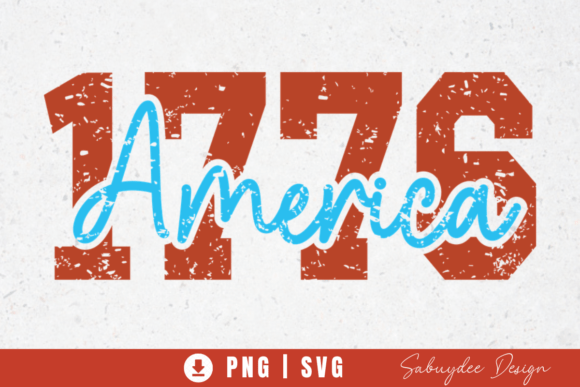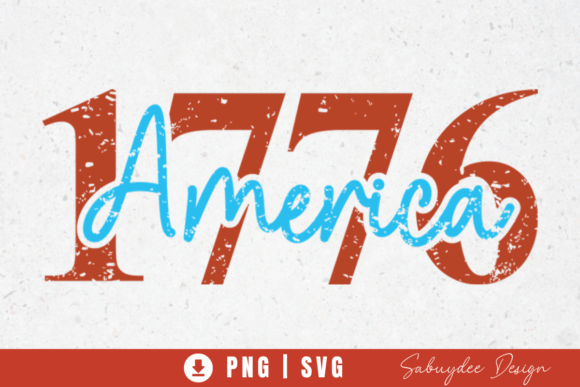
4th of July America 1776 Graphics for T-Shirt Designs
As a graphic designer who has spent years navigating the chaotic intersection of client expectations and creative execution, I approach every new graphic design asset with a healthy dose of skepticism. We have all been there: downloading a promising file only to find messy vectors, poor transparency, or a style that feels dated before it even hits the canvas. However, when I recently pulled the 4th of July America 1776 Year of Freedom into my workspace for an upcoming seasonal campaign, my initial reaction was one of genuine relief. This is not just another clipart dump; it is a cohesive visual tool that respects the designer’s need for flexibility and the client’s desire for impact.
First Impressions: Balancing Heritage and Modern Appeal
The first thing you notice about this asset is its ability to straddle the line between traditional patriotism and modern creative design. The visual mood is bold yet refined. It does not rely on the cluttered, overly distressed aesthetics that often plague holiday-themed graphics. Instead, it offers a clean, strong presence that commands attention without screaming. For a client looking to launch a boutique product line or a handmade brand celebrating Independence Day, this distinction is crucial. It feels professional, which instantly elevates the perceived value of the final product.
I tested this asset in a realistic scenario: a small business owner wanting to refresh their summer collection with limited-edition merchandise. The goal was to create a sense of heritage without alienating a younger demographic. The 4th of July America 1776 Year of Freedom fit this brief perfectly. Its lines are crisp, and the composition allows for easy integration into various layouts. Whether you are working on T-Shirt Designs or sophisticated packaging design, the asset provides a solid foundation that does not require excessive manipulation to look good.
Versatility Across Real-World Projects
One of the biggest challenges in professional design is finding assets that perform well across multiple mediums. I evaluated how this digital product holds up in different contexts, from physical prints to digital screens. Here is where it truly shines:
- Apparel and Merchandise: This is arguably the strongest use case. The high-resolution nature of the file ensures that when printed on fabric, the details remain sharp. It works exceptionally well for sublimation design on polyester blends or direct-to-garment printing on cotton. I placed it on several product mockup templates, and the result was consistently polished.
- Brand Identity and Marketing: For local events or pop-up shops, this graphic can serve as a central hero element in flyers and posters. It anchors the visual hierarchy, allowing you to build surrounding text and secondary elements around it.
- Digital Presence: In the realm of social media graphics, the asset translates well to Instagram posts and Pinterest pins. Its square-friendly composition means it requires minimal cropping, preserving the integrity of the design.
- Crafting and DIY: For those utilizing cutting machines, the included SVG format is a lifesaver. It simplifies the workflow for Cricut project enthusiasts who need clean paths for vinyl cutting or heat transfer applications.
Strategic Placement and Design Constraints
While the asset is versatile, it is not a magic bullet for every layout. Understanding where to place it is key to maintaining brand consistency and professionalism. I found that this graphic works best in large layout areas where it can breathe. Using it as a hero graphic on a tote bag or the center chest of a tee allows the details to be appreciated. It also serves well as a decorative accent in themed collections, such as a set of holiday stickers or a series of printable wall art pieces.
However, caution is advised in certain scenarios. Due to the intricate nature of the "1776" and freedom motifs, using this asset at very small sizes—such as a favicon or a tiny footer logo—can result in a loss of clarity. It should also be used carefully in crowded layouts. If your design already contains heavy typography or complex background patterns, adding this graphic may disrupt the visual trust and readability of the piece. It thrives in environments with ample white space or simple, solid-colored backgrounds that provide high contrast.
Technical Performance and File Quality
From a technical standpoint, the delivery format is what separates amateur clips from professional design assets. The Zip File contains high-resolution formats that cater to both vector and raster workflows. Having both an SVG file and a PNG file is essential for modern designers. The SVG allows for infinite scalability without pixelation, which is critical for large-format prints like banners or vehicle wraps. The PNG, created on a 1000 x 1000 workspace at 300 DPI, ensures that raster-based applications like Photoshop or Canva have enough data to produce crisp edges.
I specifically inspected the PNG transparency. It was clean, with no halos or jagged edges around the graphic. This is a common pain point with lower-quality clipart, but here it was executed flawlessly. This attention to detail saves hours of cleanup time, allowing designers to focus on creativity rather than correction.
Practical Designer Notes for Client Work
Before committing this asset to a final client deliverable, I always run through a specific checklist to ensure quality control. Here are my recommendations for anyone incorporating 4th of July America 1776 Year of Freedom into their workflow:
- Test in Black and White: Convert the graphic to grayscale to check its structural integrity. A strong design should hold up even without color. This helps verify that the illustration relies on shape and form, not just hue.
- Check Contrast: Preview the asset on both light and dark backgrounds. Ensure there is sufficient contrast to maintain readability and visual impact. If placing it on a busy photo, consider adding a subtle overlay or shadow.
- Typography Pairing: Experiment with different font styles. I found that pairing this graphic with a bold serif font enhanced its historical feel, while a clean sans serif font gave it a more contemporary, modern design edge. Avoid overly decorative script fonts that might compete with the graphic’s details.
- Verify Licensing: Always confirm the commercial license terms before using any asset for client work or print-on-demand sales. Ensuring you have the right to sell products featuring this design is non-negotiable for professional practice.
- Mockup Testing: Never judge a design solely on screen. Place it on real-world mockups, such as a folded t-shirt or a ceramic mug, to see how it interacts with curves and textures.
Final Verdict for Small Business Branding
In the competitive landscape of Etsy product listings and creative marketplace offerings, standing out requires assets that feel intentional and high-quality. The 4th of July America 1776 Year of Freedom is a robust addition to any designer’s library. It supports small business branding by providing a ready-made, professional-grade visual that resonates emotionally with audiences. Whether you are creating marketing visuals for a summer sale, designing editorial design pieces for a local magazine, or crafting unique sticker design packs, this asset delivers.
It bridges the gap between nostalgic patriotism and current design trends, making it a safe yet stylish choice for a wide range of projects. For designers who value efficiency without sacrificing quality, this design bundle component is worth integrating into your seasonal toolkit. It allows you to deliver polished, client-ready work faster, ensuring that your web design and print outputs alike maintain a high standard of excellence.