Review: Colorful Geometric Spring Pattern Vector
As a designer who spends half my life digitizing and the other half stitching, I have learned that not every pretty image translates well into thread. We often browse marketplaces for design assets, drawn in by vibrant previews, only to realize later that the complexity is a nightmare for production. That is why I approached the Colorful Geometric Spring Pattern Vector with a critical eye. This isn’t just about aesthetics; it is about functionality, scalability, and how a design holds up when subjected to the mechanical realities of an embroidery machine.
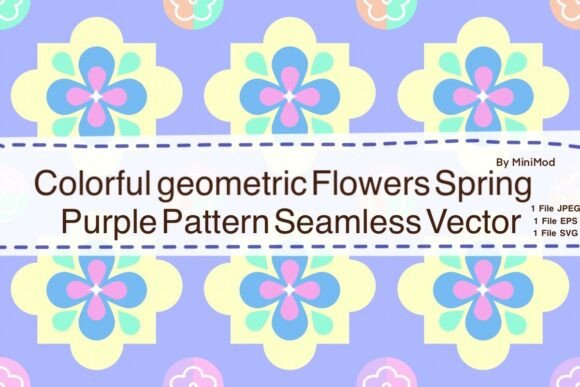
The first impression of this pattern is one of structured joy. It balances the organic feel of spring florals with the rigid precision of geometric shapes. For those of us creating handmade products, this duality is valuable. It feels modern enough for a contemporary boutique yet playful enough for seasonal gifts. The layout suggests a seamless repeat, which immediately opens up possibilities beyond simple center-chest logos. However, before you download and start stitching, let’s break down how this graphic performs in real-world scenarios.
From Screen to Stitch: Practical Application
I recently tested a similar geometric floral concept for a client’s spring collection of canvas tote bag design projects. The challenge with geometric patterns is maintaining clarity without creating excessive stitch density. If the lines are too close, the fabric puckers; if they are too sparse, the design looks unfinished. The Colorful Geometric Spring Pattern Vector offers a balanced approach. Because it comes as high-quality digital files, including SVG and EPS, you have the control to adjust spacing before converting it into an embroidery file.
For apparel decorators, this design shines on stable fabrics. Imagine this pattern scaled down for a pocket accent on a denim jacket or expanded for an all-over print effect on a pillow cover. The geometric nature means that unlike photorealistic flowers, you don’t necessarily need thousands of color changes. You can simplify the thread colors to create a striking contrast. A two-tone version using a bright coral and a deep teal could look incredibly sophisticated on a neutral linen apron or a kitchen towel.
When considering sweatshirt embroidery, remember that fleece and cotton blends have texture. A design with sharp geometric edges needs clean digitizing to prevent the stitches from sinking into the nap. I recommend using a cutaway stabilizer for these heavier garments to ensure the geometric lines remain crisp after washing. The vector format allows you to thicken lines slightly if you plan to use a fill stitch rather than a running stitch or satin stitch outline, giving you flexibility based on your machine’s capabilities.
Navigating Fabric and Hoop Constraints
While the versatility of this pattern is a strength, it requires careful handling in specific contexts. One common mistake makers make is assuming a seamless pattern can be stitched at any size without consequence. If you are working with a small hoop size, such as a 4x4 inch hoop for an embroidered patch or a cap, you must isolate a single motif. Trying to cram the entire geometric arrangement into a small space will result in lost detail and potential needle breaks.
Curved surfaces present another challenge. Embroidering on a baseball cap or a baby hat requires accounting for the curvature of the item. Geometric shapes can distort visually if not centered perfectly. I advise creating a mockup and testing the design on scrap fabric that matches the tension of your final material. For stretchy fabrics used in baby embroidery items like onesies, the geometric rigidity might pull uncomfortably if the stitch count is too high. In these cases, consider using the design as an applique design base, where fabric pieces fill the shapes, reducing the amount of thread on the garment and keeping it soft against sensitive skin.
Dark fabrics also require strategic planning. If you are stitching this on navy or black, you cannot rely on the background color to define the shapes. You will need to add underlay stitches or choose thread colors with high luminance contrast. The vector files allow you to flip and rotate the elements, which is crucial for optimizing the stitch path and minimizing jumps, ultimately speeding up your production time for commercial embroidery orders.
Enhancing Brand Value and Customer Appeal
For Etsy sellers and small shop owners, the perceived value of a product is heavily influenced by its presentation. A generic floral design can feel mass-produced, but a geometric interpretation feels curated and intentional. Using the Colorful Geometric Spring Pattern Vector in your custom apparel line can help establish a distinct brand identity. It signals to customers that you are paying attention to modern design trends.
This pattern is particularly effective for holiday embroidery projects, such as Easter baskets or spring-themed home decor. The cheerful color palette inherent in the "spring" theme resonates emotionally with buyers looking for personalized gift options. When you list these items, use the high-resolution JPEG included in the package to create compelling printable mockup images. Show the design on various products—a throw blanket, a tote, a shirt—to help customers visualize the end result. This reduces hesitation and increases conversion rates.
Moreover, consistency is key for growing a craft business. If you use this geometric style across multiple products, from kitchen towel sets to nursery decor, you create a cohesive collection. Buyers are more likely to purchase multiple items if they see a unified aesthetic. The ability to resize and rotate the vector elements means you can adapt the core design for different products without losing visual harmony, saving you time on design creation.
Designer Notes for Best Results
Before you commit to a large production run, keep these practical tips in mind:
- Test on Scraps: Always stitch out the design on the actual fabric you intend to use. Check for puckering and registration issues.
- Check Contrast: View your design in black and white. If the shapes blend together, you need to adjust your thread choices or line weights.
- Verify Licensing: While the product description mentions commercial use potential, always confirm the specific license terms for selling finished physical items versus digital redistribution.
- Optimize Digitizing: Since this is a vector graphic, you will need to digitize it for your machine. Pay attention to stitch direction; changing angles between adjacent geometric shapes can add texture and visual interest.
- Consider Stabilizer: Match your stabilizer to your fabric. Woven fabrics may need a light tear-away, while knits require a cutaway for durability.
The Colorful Geometric Spring Pattern Vector is a robust asset for designers who understand the interplay between digital graphics and textile art. It is not just a pretty picture; it is a flexible tool. Whether you are creating a one-off finished product for a friend or scaling up for a seasonal small shop product launch, this design offers the structural integrity and visual appeal needed to succeed. By respecting the technical constraints of embroidery and leveraging the flexibility of the vector files, you can transform this digital asset into tangible, high-quality goods that customers will love.