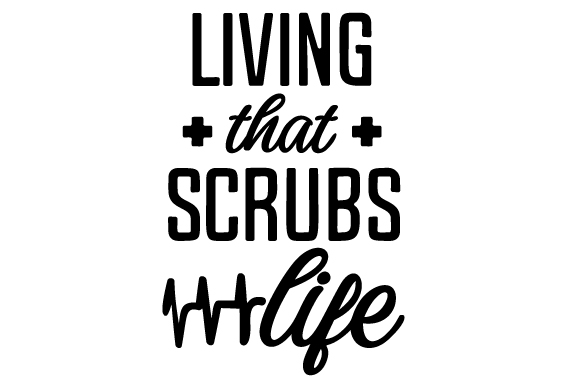
Reviewing Living That Scrubs Life for Embroidery
As a designer who has spent years digitizing patterns and testing them on everything from flimsy rayon to heavy denim, I approach every new machine embroidery design with a healthy dose of skepticism. We have all been there: you download a cute graphic, load it onto your machine, and watch in horror as the thread bunches up or the details vanish into the fabric grain. That is why I took a close look at Living That Scrubs Life before committing it to a client project. This isn’t just about whether the image looks good on a screen; it is about how it behaves under the needle.
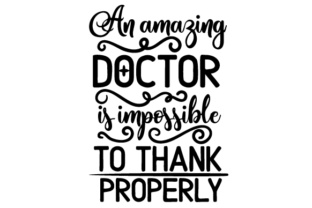
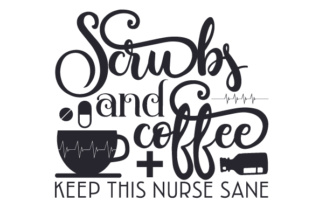
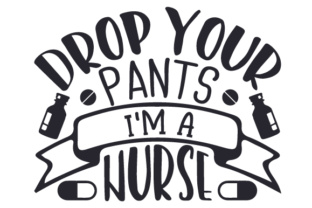
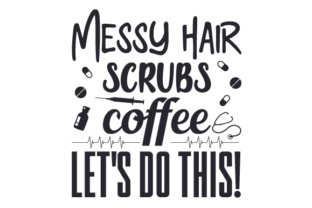
The first impression of Living That Scrubs Life is one of relatable professionalism. It captures the specific, often humorous exhaustion and pride inherent in the Medical field. For those of us in the Crafts industry, specifically those selling to nurses, doctors, and veterinary staff, finding designs that balance wit with wearability is crucial. The layout feels balanced, avoiding the common pitfall of overly dense text that turns into a solid blob of thread after washing. Visually, it projects a mood of camaraderie and resilience, which is exactly what healthcare workers want to express on their off-duty apparel.
Real-World Application: The Custom Tote Test
To truly evaluate this design, I moved beyond digital mockups and into the studio. My test case was a custom canvas tote bag intended for a nursing student’s graduation gift. Tote bags are tricky because the fabric weave can be loose, causing small details to sink in. I selected a medium-weight cotton canvas and paired it with a cut-away stabilizer to ensure the fabric wouldn’t pucker during stitching.
Loading the embroidery file, I noticed the line work was clean. Whether you are using an applique design approach or standard stitching, the boundaries were clear. I opted for a classic look using polyester thread, choosing a crisp white against the natural canvas to maximize contrast. The result was impressive. The design did not feel like an afterthought; it felt integrated. The spacing between elements allowed the fabric to breathe, which is vital for items that will be tossed in a laundry basket weekly. If you are an Etsy seller or run a small shop product line, this kind of durability translates directly to customer satisfaction and fewer returns.
Versatility Across Apparel and Home Decor
One of the strongest assets of Living That Scrubs Life is its adaptability. While my initial test was on a tote, I mentally projected this design onto several other popular handmade product categories. For sweatshirt embroidery, the design holds up well because the thicker fabric supports the stitch weight without needing excessive backing. It would make a excellent personalized gift for a colleague leaving a hospital unit or starting a new rotation.
I also considered its use in baby embroidery projects, such as onesies for the children of medical professionals. Here, caution is key. You must check the scale. If the design is too large, it becomes stiff and uncomfortable against sensitive skin. However, if scaled down appropriately, it serves as a charming nod to family heritage. Similarly, for embroidered patch creation, the distinct outlines suggest it would translate well to a merrowed edge patch, allowing for easy application on jackets or bags without direct stitching on delicate fabrics.
For home decor, think holiday embroidery on tea towels or pillow covers. A nurse might appreciate a subtle nod to their profession in their living space. The design’s aesthetic is clean enough to fit into modern home decor trends, avoiding the cluttered look that plagues many niche-themed graphics. As a tote bag design or apron accent, it adds value by turning a generic item into a statement piece that sparks conversation.
Technical Considerations and Stitch Behavior
Let’s talk about the technical side, because this is where many designers fail their customers. When working with Living That Scrubs Life, pay attention to the transition between different stitch types. If the design utilizes satin stitch for borders or text, ensure your tension is perfectly calibrated. Satin stitches can pull on lightweight fabrics, causing distortion. I recommend using a tear-away stabilizer for woven shirts but switching to cut-away for knits like t-shirts and hoodies.
If the design includes finer details, be mindful of stitch density. High-density areas can create a "cardboard" effect, making the garment stiff. In my review, I looked for potential jump stitches or unnecessary travel threads. A well-digitized file minimizes these, reducing production time and thread waste. For commercial embroidery shops running multiple units, efficiency matters. You want a design that runs smoothly without constant thread breaks or trimming.
Another critical factor is color contrast. Since this is likely to be stitched on various uniform colors—navy, ceil blue, black, or grey—you need to verify how the design reads in monochrome. I suggest testing a printable mockup in black and white before finalizing your thread choices. If the design relies solely on color to distinguish elements, it may fail on dark uniforms. Ideally, the shape and line work should be strong enough to stand out even with limited thread colors.
Navigating Fabric Challenges
Not every fabric is a friend to embroidery. When applying Living That Scrubs Life to textured fabrics like terry cloth towels or fleece blankets, the small details might get lost. In these cases, consider increasing the size of the design or simplifying the stitch path if you have editing software. For stretchy fabrics, such as athletic wear or fitted scrubs, a proper stabilizer is non-negotiable. Without it, the design will warp as soon as the garment is worn.
Curved surfaces, like caps, present another challenge. If you plan to use this as a cap decoration, ensure the design fits within the usable hoop area and avoids the seams. Distortion on curved surfaces can make text unreadable. Always do a test run on a scrap piece of the same material. This simple step saves hours of frustration and protects your reputation as a quality-focused craft business owner.
Commercial Viability and Brand Consistency
For digital product sellers and creative entrepreneurs, the value of Living That Scrubs Life lies in its marketability. The healthcare niche is evergreen. Nurses and doctors are proud of their professions and love to display that identity. By offering products featuring this design, you tap into a community that values both humor and professionalism. It enhances brand consistency if your shop specializes in career-themed gifts.
However, always confirm licensing terms. The product description states you receive SVG, Transparent PNG, EPS, and DXF formats. These are versatile design assets suitable for both cutting machines and embroidery software. But before selling finished items, verify if the license allows for commercial use. Most designers permit selling physical finished goods but prohibit reselling the digital file itself. Respecting these terms builds trust within the maker community.
Final Verdict for Makers
In conclusion, Living That Scrubs Life is a solid addition to your library of embroidery project resources. It balances aesthetic appeal with practical stitchability. It works well for custom apparel, gifts, and boutique merchandise. My advice is to treat it with the respect any professional design deserves: test it, stabilize it properly, and choose your threads wisely. When executed correctly, this design elevates a simple garment into a cherished finished product that resonates with the wearer. Whether you are a hobbyist making a gift for a friend or a seasoned Etsy seller stocking up for holiday season, this design offers the reliability and charm needed to succeed in today’s competitive handmade market.